Searching For Bike Insurance? Some Compulsory Rules 2026 You Must Know
Summary:
Every bike owner must carry at least third-party insurance to legally ride in India.
New two-wheelers must have a mandatory 5-year third-party insurance policy at the time of purchase.
If your bike fails pollution checks, your insurance renewal may also get delayed or rejected.
Insurance companies may require riders in high-risk regions to purchase add-ons, such as engine protection.
The bike insurance plans can be explored + purchased directly on the airpay money app.
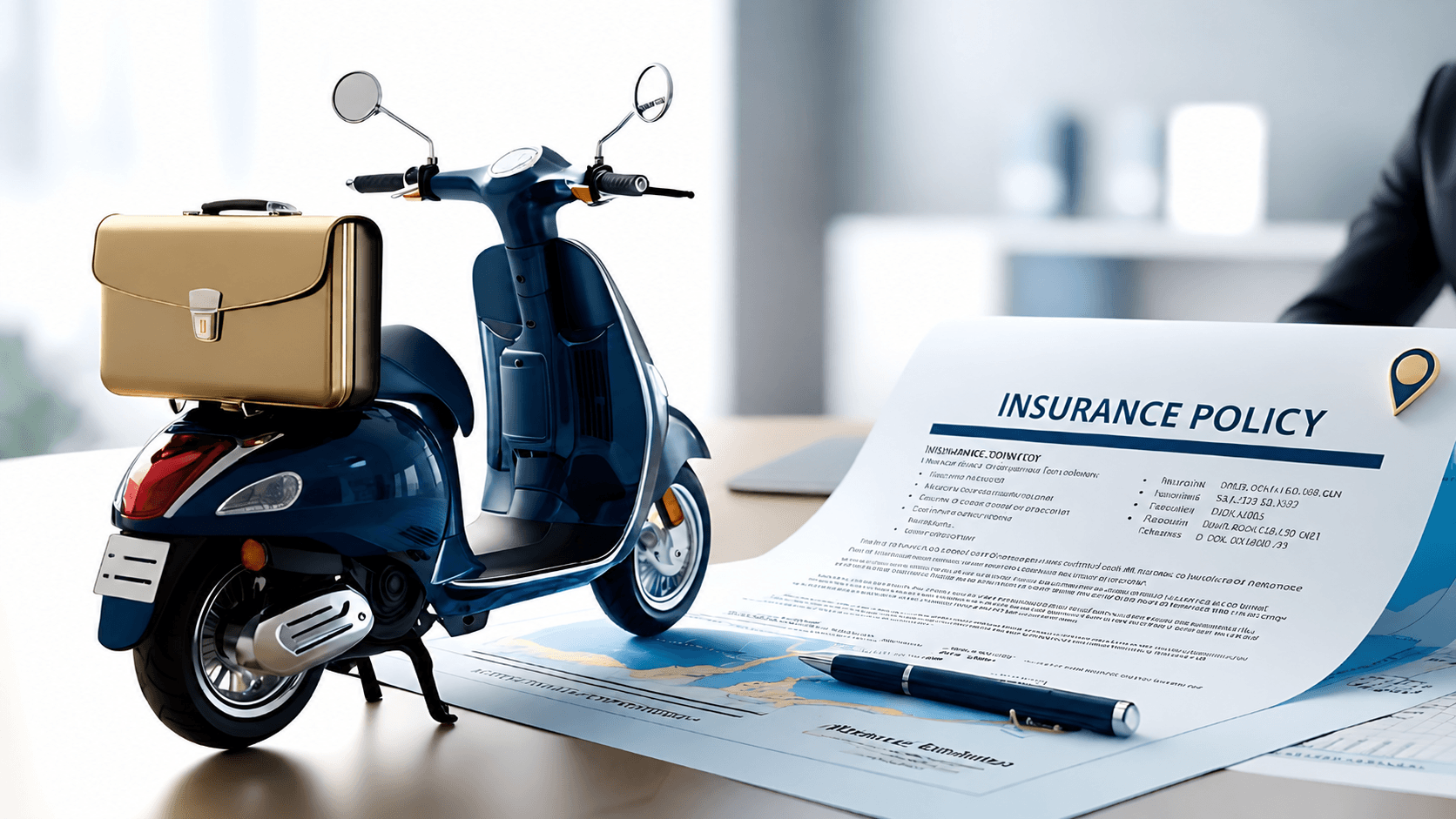
As per Section 146 of the Motor Vehicles Act, 1988, no person is allowed to use a motor vehicle without a valid insurance policy. For all bikes and cars, at least the Third-party (TP) liability insurance is mandatory.
For those unaware, a third-party insurance policy covers damage or injury caused to another person, their vehicle, or property if your bike is involved in an accident. It does not pay for repairs to your bike (own damage).
In contrast, a comprehensive bike insurance policy covers both third-party liabilities and damage to your own vehicle (caused by accidents, theft, fire, natural disasters, or other insured events).
So, are you looking to purchase the bike insurance plans in India?
Read this article to first know about the 4 compulsory rules you must be aware of as a bike owner in 2026.
Next, you will learn how to purchase the bike insurance plans online.
4 Rules Every Bike Owner Should Know About in 2026
In 2026, owning a bike is not only about riding responsibly!
You must also stay compliant with insurance, GST requirements, and regional regulations. Below are some compulsory bike insurance rules that can help you avoid penalties and maintain valid coverage:
1. 5-Year Third-Party Insurance for New Bikes
In August 2020, the Insurance Regulatory and Development Authority of India (IRDAI) introduced a rule that requires every new two-wheeler to have at least 5 years of third-party insurance at the time of purchase.
Earlier, many riders skipped annual renewals after the first year, which created legal + financial risks. By mandating a five-year policy upfront at the time of purchase, the IRDAI:
Reduced the number of uninsured vehicles on the road and
Ensured continuous third-party liability coverage during the early years of a bike’s life.
2. Pollution Norms Can Influence Insurance or Registration
Some states enforce strict pollution rules for vehicles. For example,
In cities like Delhi, there are tighter emission standards due to high pollution levels.
If a bike fails to meet the required emission limits, authorities may refuse to renew its registration certificate.
Realise that when registration renewal becomes difficult, insurance renewal may also face delays.
Why?
That’s because insurance companies generally require a valid registration and pollution certificate before issuing or renewing a policy.
If a bike repeatedly fails emission tests, the insurer may refuse to issue a new policy (until the vehicle meets regulatory standards).
3. Extra Insurance Cover is Required in “High-Risk Regions”
Some of the bike insurance providers also assess the risk profile of the region where the bike is used. While third-party insurance remains mandatory across India, insurers may recommend “additional protection” for riders in high-risk locations.
For example,
People living in flood-prone areas may be advised to add “engine protection” to their comprehensive bike insurance.
Similarly, riders in earthquake-prone zones may be encouraged to include “natural disaster protection”.
These add-ons increase the insurance premium but also enhance the scope of a basic comprehensive bike insurance policy.
4. The Impact of GST on Your Premiums
Goods and Services Tax (GST) applies not only when you buy a vehicle but also when you purchase insurance for it. Note that an insurance premium has two main parts:
Part I: Base Premium | Part II: GST Component |
|---|---|
|
|
Now, if we specifically talk about the applicable GST rate, it is determined based on engine capacity and vehicle type. Below are the current GST rates on vehicles (valid as of March 16, 2026):
Vehicle Category | Engine Capacity | GST Rate |
High-Capacity Bikes and Cars |
| 40% |
Standard Commuter Vehicles |
| 18% |
Electric Vehicles (EVs) |
| 5% |
How to Purchase the Bike Insurance Plans Online in 2026?
A bike insurance plan can be purchased online through aggregator platforms, such as airpay money. We are a 360-degree financial wellness mobile application trusted by 1,00,000+ users. Here, you can review the bike insurance options offered by India’s leading insurers, such as HDFC ERGO, ICICI Lombard, and IFFCO Tokio.
For more clarity, let’s check out the steps to buy bike insurance online:
Download the airpay money app from the app store.
Open and hover over the “Insurance” tab and select 2-Wheeler Insurance.
A list of available bike insurance plans will appear.
Review the policies and select the one that suits your coverage needs and budget.
Click on “Buy Now” to proceed with the selected policy.
You will be redirected to the partner insurer’s website, where you can complete the purchase process.
Disclaimer: This content is for informational purposes only and does not constitute insurance advice, solicitation, or a recommendation to purchase any specific motor insurance policy (car or two-wheeler). Motor insurance plans are subject to terms, conditions, exclusions, deductibles, IDV determination, depreciation norms, and underwriting guidelines of the respective insurer. Coverage benefits and claim settlements are governed strictly by the policy document and insurer approval. Readers are advised to review all policy-related documents carefully and evaluate their vehicle type, usage, and coverage requirements before purchasing any policy. Consulting with a qualified financial advisor is recommended. airpay money acts as a Corporate Agent (IRDAI Registration No. CA0793) and does not underwrite risk. |