

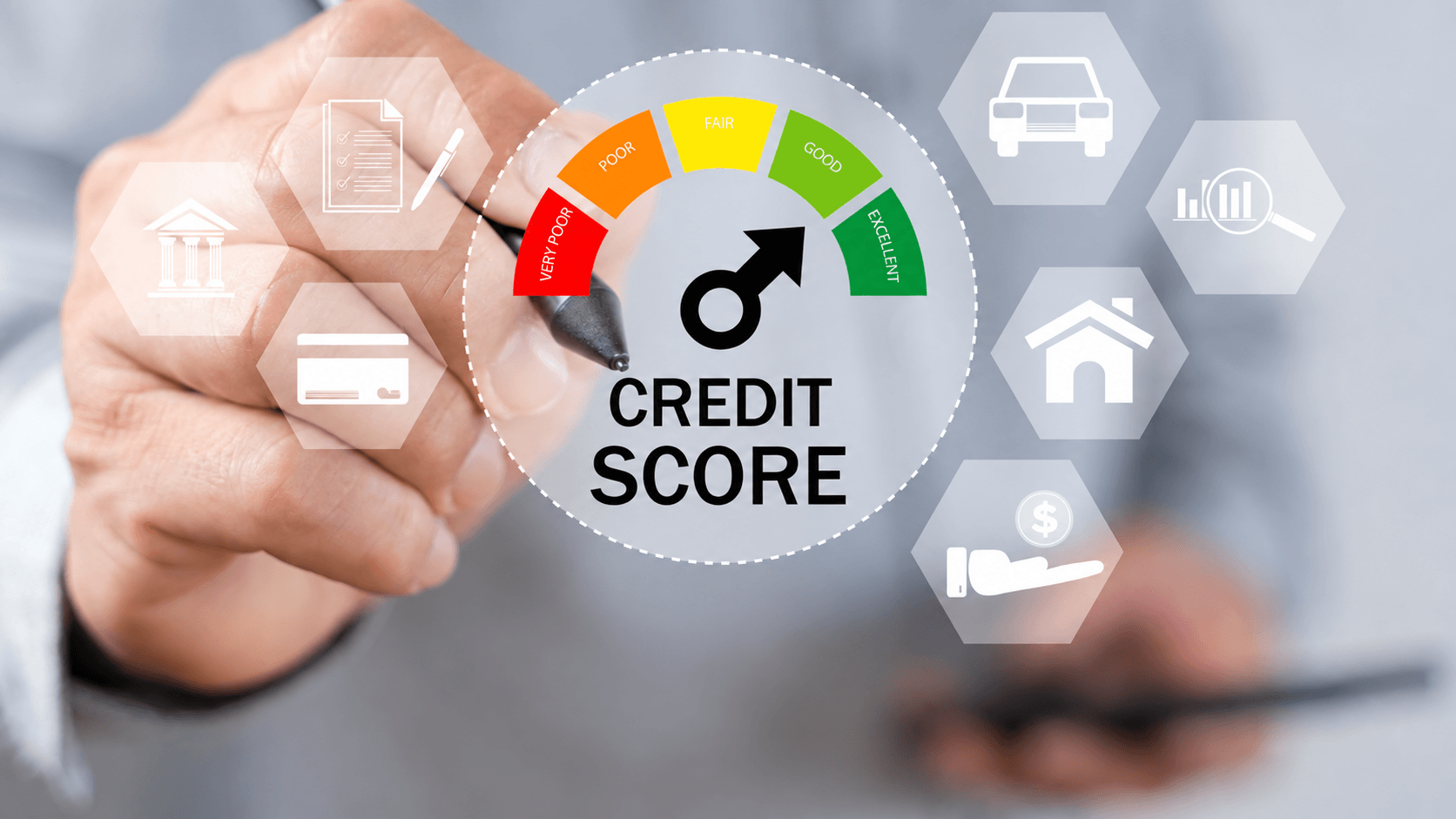
Credit Score Basics: How It Impacts Loans
Summary:
A credit score is between 300 and 900.
It shows your ability to repay loans.
Credit bureaus such as TransUnion CIBIL, Experian India, Equifax India, and CRIF High Mark calculate your credit score.
A score of 750+ improves your chances of loan approval and lower interest rates.
You can do a credit score check online through any RBI-registered credit bureau website.
You can improve your credit score through timely payments + low credit usage.
Whenever you apply for a loan, credit card, or mortgage, the first criterion checked by most lenders is your credit score. It is a three-digit number between 300 and 900. This numerical measure shows your “creditworthiness” or your ability to repay borrowed money.
Okay, but how does it impact my loan applications?
Read this article to understand how lenders evaluate your application using your credit score, how to check your credit score online, and the steps you can take to improve your credit score in 2026.
How is a Credit Score Calculated?
A credit score is calculated by credit bureaus that are registered with the Reserve Bank of India (RBI). In India, there are four such bureaus:
TransUnion CIBIL
Experian India
Equifax India
CRIF High Mark
These bureaus collect information from banks and financial institutions about your loans, credit cards, repayment history, and outstanding dues. Based on this data, they calculate your credit score.
Okay, but what factors are analysed?
Each bureau may use its own formula, but most check the following factors:
Factor | Approx. Weight | Meaning | How It Influences Your Credit Score |
|---|---|---|---|
Loan Payment History | 35% | Your record of paying EMIs and credit card dues on time. |
|
Credit Utilisation Ratio | 30% | The percentage of your credit limit that you use |
|
Length of Credit History | 15% | How long you have been using credit |
|
Credit Mix (Product Mix) | 10% | The types of credit you use (home loan, auto loan, personal loan, credit card, etc.) |
|
New Credit and Inquiries | 10% | Recent loan applications and hard inquiries by lenders |
|
How Does Credit Score Impact Your Loan Applications?
The credit score is one of the first filter lenders to apply. A high score (generally 750 and above) increases your chances of approval. In contrast, a low score signals higher risk, which can lead to rejection. Additionally,
Your credit score influences the interest rate on your loan. A higher score leads to a lower interest rate, and vice versa.
Lenders may approve a higher loan amount if your credit score is strong.
A low score may result in a lower sanctioned amount, even if your income qualifies you for more.
Applicants with high credit scores are more likely to receive:
Flexible repayment terms
Longer tenures
Less strict loan terms
How to Make a Credit Score Check Online?
You can check your credit score online by visiting the official website of any credit bureau registered with the RBI. Once there, you may follow these steps:
Register by providing your basic details such as:
Name
Date of birth
PAN
Mobile number
Email ID
Complete identity verification through OTP or other verification steps.
Access your credit report + credit score after successful verification.
As a tip, always use official websites to avoid fraud and protect your personal information.
How to Improve Your Credit Score in 2026?
Have a low credit score?
The good part is that it is “not permanent”. Yes, it changes based on your credit behaviour and can be enhanced. Follow these habits to increase your CRIF Score in 2026:
1. Pay All Dues on Time
Payment history has the highest impact on your credit score. Pay all EMIs and credit card bills before the due date. Also, try to avoid making only the minimum payments.
2. Maintain a Balanced Credit Mix
Try to have a mix of:
Secured loans (such as home or auto loans) and
Unsecured loans (such as personal loans or credit cards)
Such a balance can strengthen your credit profile. However, only take loans when necessary and focus on “timely repayment” rather than increasing the number of credit products.
3. Avoid Using Your Full Credit Limit
Do not use your entire credit card limit.
Why?
Usually, “high credit utilisation” signals financial stress. You may try to keep your usage below 30-40% of your total credit limit. Always remember that lower usage shows controlled borrowing.
4. Avoid Multiple Loan Applications
Applying for several loans or credit cards within a short period leads to multiple “hard inquiries”. This can lower your credit score and create the impression that you urgently need credit.
The best practice?
Apply only when required and properly “space out” your loan applications.
Conclusion
So now you know the credit score meaning and how it is calculated. It is a score between 300 and 900 used by most lenders to assess your “credit risk”. Usually, applicants with a score of 750+ receive lower interest rates and get a higher sanction amount.
The best part?
A credit score is not permanent and can be increased by:
Paying EMIs and bills on time
Keeping credit utilisation below 30%
Avoiding multiple loan applications
Maintaining the “right” balance of secured and unsecured loans
Want a complete financial health check, instead of only a credit score report? Visit airpay money today and get your complete financial health check at no cost. We are a 360-degree financial wellness platform trusted by 1,00,000+ users. Obtain your free “financial report” generated within minutes!
Disclaimer: This content is for informational purposes only and does not constitute financial advice or a recommendation to apply for any specific credit card. Credit card issuance is subject to eligibility criteria, credit evaluation, and approval by the respective issuing bank. Interest rates, fees, rewards, and other benefits are governed strictly by the issuer’s terms and conditions and may change without prior notice. Failure to make timely payments may result in interest charges, penalties, and an adverse impact on your credit score. Readers are advised to review all card-related documents carefully and evaluate their repayment capacity before applying. airpay money acts only as a distributor and does not provide credit advisory services or guarantee approval. |
Related Posts

What is Temporary (Short-Term) Car Insurance Coverage For Road Trips? Meaning, Coverage Options, Benefits, and More!
5 Min. To Read
How to Avoid Overspending on Vacations? 5 Financial Planning Tips You Must Know!
5 Min. To Read
What is “Roadside Assistance” in Vehicle Insurance? Coverage, Exclusions, and More
5 Min. To Read
Harsh Summers are Coming! Have You Taken Health Insurance Coverage for Heatstroke and Emergencies?
5 Min. To Read
Going on a Road Trip? Don’t Miss These 9 Two-Wheeler Insurance “Add-Ons” for Long Rides!
5 Min. To Read