Credit Score Basics: How It Impacts Loans
Credit Score

Credit Score Basics: How It Impacts Loans

22 Oct 2026•5 min read•23 views

Summary: 

  • A credit score is between 300 and 900. 

  • It shows your ability to repay loans. 

  • Credit bureaus such as TransUnion CIBIL, Experian India, Equifax India, and CRIF High Mark calculate your credit score. 

  • A score of 750+ improves your chances of loan approval and lower interest rates. 

  • You can do a credit score check online through any RBI-registered credit bureau website. 

  • You can improve your credit score through timely payments + low credit usage. 


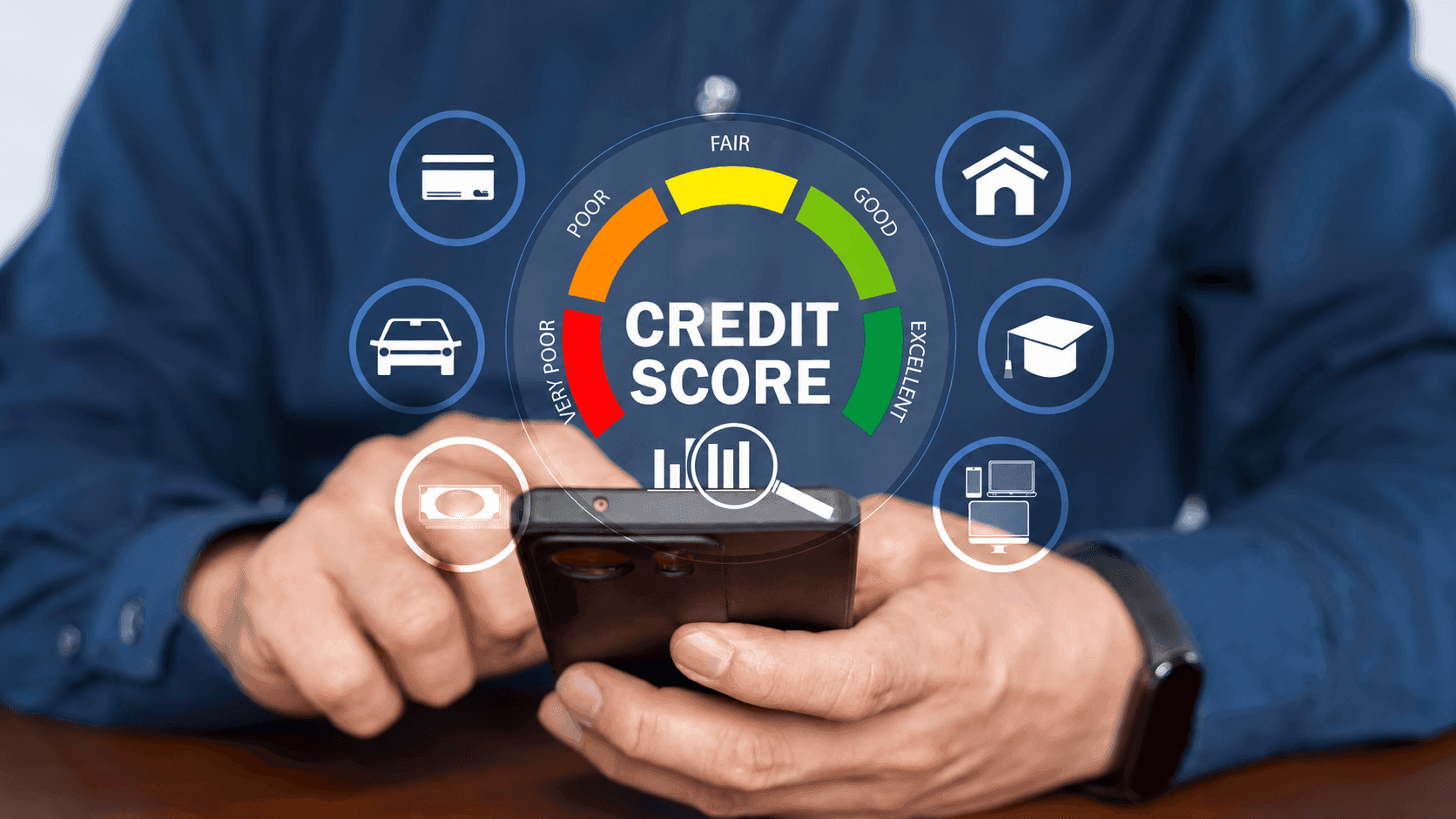
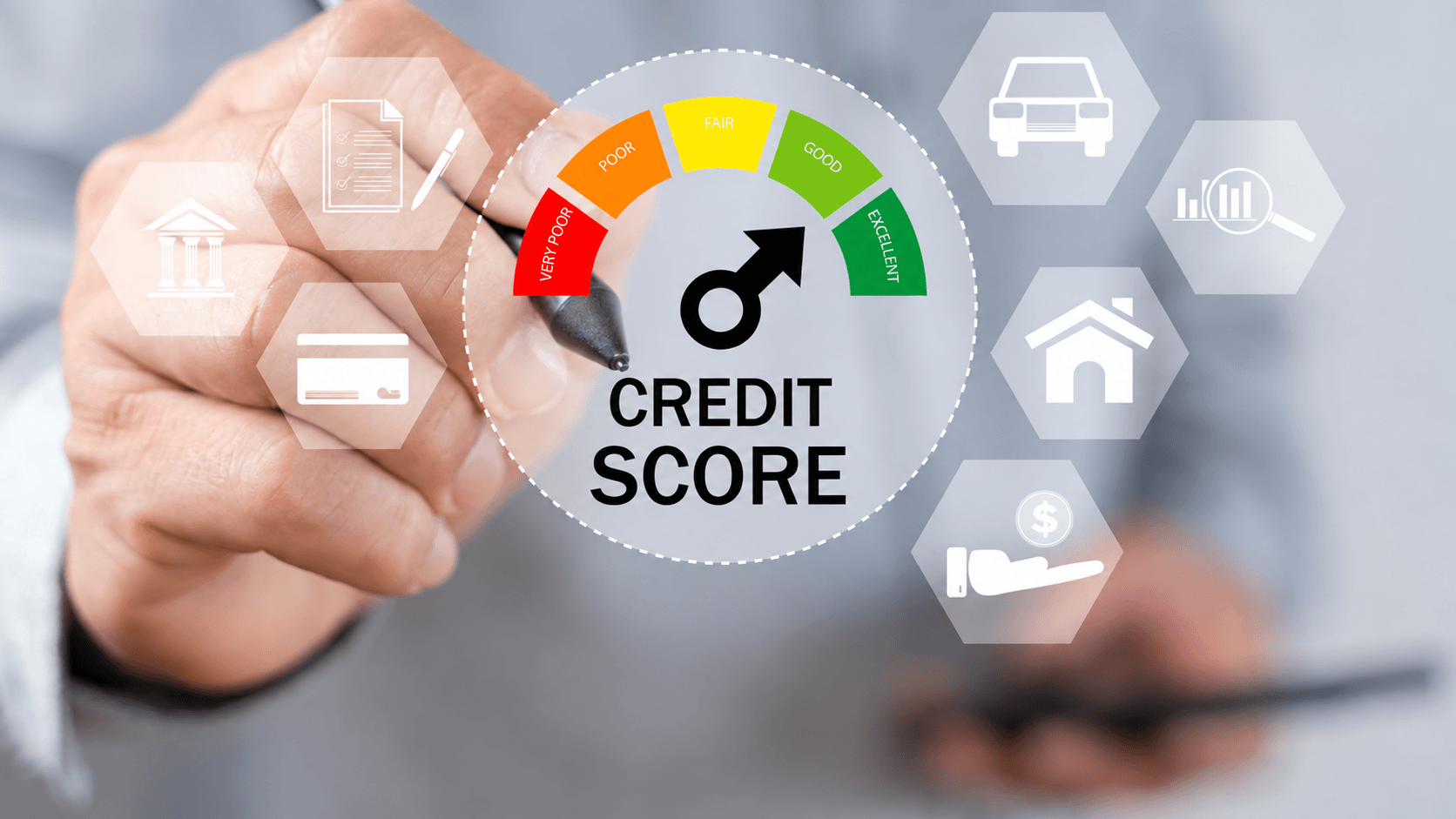
Whenever you apply for a loan, credit card, or mortgage, the first criterion checked by most lenders is your credit score. It is a three-digit number between 300 and 900. This numerical measure shows your “creditworthiness” or your ability to repay borrowed money.  

Okay, but how does it impact my loan applications? 

Read this article to understand how lenders evaluate your application using your credit score, how to check your credit score online, and the steps you can take to improve your credit score in 2026. 

How is a Credit Score Calculated? 

A credit score is calculated by credit bureaus that are registered with the Reserve Bank of India (RBI). In India, there are four such bureaus: 

  • TransUnion CIBIL 

  • Experian India 

  • Equifax India 

  • CRIF High Mark 

These bureaus collect information from banks and financial institutions about your loans, credit cards, repayment history, and outstanding dues. Based on this data, they calculate your credit score.  

Okay, but what factors are analysed? 

Each bureau may use its own formula, but most check the following factors: 

Factor 

Approx. Weight 

Meaning 

How It Influences Your Credit Score 

Loan Payment History 

35% 

Your record of paying EMIs and credit card dues on time. 

  • Timely payments increase your score.  

  • Missed payments, delays, or defaults reduce it.  

  • Even one missed EMI can lower your score by 60–70 points. 

Credit Utilisation Ratio 

30% 

The percentage of your credit limit that you use 

  • Using a high portion of your credit limit signals higher risk. 

  • Lower usage (for example, below 30%) supports a stronger score. 

Length of Credit History 

15% 

How long you have been using credit 

  • A longer credit history with regular repayments improves your score.  

  • A short history provides limited data and may reduce your score. 

Credit Mix (Product Mix) 

10% 

The types of credit you use (home loan, auto loan, personal loan, credit card, etc.) 

  • A balanced mix of secured and unsecured loans supports your score.  

  • Too many unsecured loans may lower it. 

New Credit and Inquiries 

10% 

Recent loan applications and hard inquiries by lenders 

  • Multiple loan applications in a short period of time may reduce your score. 

How Does Credit Score Impact Your Loan Applications? 

The credit score is one of the first filter lenders to apply. A high score (generally 750 and above) increases your chances of approval. In contrast, a low score signals higher risk, which can lead to rejection. Additionally, 

  • Your credit score influences the interest rate on your loan. A higher score leads to a lower interest rate, and vice versa. 

  • Lenders may approve a higher loan amount if your credit score is strong.  

  • A low score may result in a lower sanctioned amount, even if your income qualifies you for more. 

  • Applicants with high credit scores are more likely to receive: 

  • Flexible repayment terms 

  • Longer tenures 

  • Less strict loan terms 

How to Make a Credit Score Check Online? 

You can check your credit score online by visiting the official website of any credit bureau registered with the RBI. Once there, you may follow these steps: 

  • Register by providing your basic details such as: 

  • Name 

  • Date of birth 

  • PAN  

  • Mobile number 

  • Email ID 

  • Complete identity verification through OTP or other verification steps. 

  • Access your credit report + credit score after successful verification. 

As a tip, always use official websites to avoid fraud and protect your personal information. 

How to Improve Your Credit Score in 2026? 

Have a low credit score? 

The good part is that it is “not permanent”. Yes, it changes based on your credit behaviour and can be enhanced. Follow these habits to increase your CRIF Score in 2026: 

1. Pay All Dues on Time 

Payment history has the highest impact on your credit score. Pay all EMIs and credit card bills before the due date. Also, try to avoid making only the minimum payments. 

2. Maintain a Balanced Credit Mix 

Try to have a mix of: 

  • Secured loans (such as home or auto loans) and  

  • Unsecured loans (such as personal loans or credit cards)  

Such a balance can strengthen your credit profile. However, only take loans when necessary and focus on “timely repayment” rather than increasing the number of credit products. 

3. Avoid Using Your Full Credit Limit 

Do not use your entire credit card limit. 

Why? 

Usually, “high credit utilisation” signals financial stress. You may try to keep your usage below 30-40% of your total credit limit. Always remember that lower usage shows controlled borrowing. 

4. Avoid Multiple Loan Applications 

Applying for several loans or credit cards within a short period leads to multiple “hard inquiries”. This can lower your credit score and create the impression that you urgently need credit.  

The best practice? 

Apply only when required and properly “space out” your loan applications. 

Conclusion 

So now you know the credit score meaning and how it is calculated. It is a score between 300 and 900 used by most lenders to assess your “credit risk”. Usually, applicants with a score of 750+ receive lower interest rates and get a higher sanction amount. 

The best part? 

A credit score is not permanent and can be increased by: 

  • Paying EMIs and bills on time 

  • Keeping credit utilisation below 30% 

  • Avoiding multiple loan applications 

  • Maintaining the “right” balance of secured and unsecured loans 

Want a complete financial health check, instead of only a credit score report? Visit airpay money today and get your complete financial health check at no cost. We are a 360-degree financial wellness platform trusted by 1,00,000+ users. Obtain your free “financial report” generated within minutes! 

Disclaimer: This content is for informational purposes only and does not constitute financial advice or a recommendation to apply for any specific credit card. Credit card issuance is subject to eligibility criteria, credit evaluation, and approval by the respective issuing bank. Interest rates, fees, rewards, and other benefits are governed strictly by the issuer’s terms and conditions and may change without prior notice. 

Failure to make timely payments may result in interest charges, penalties, and an adverse impact on your credit score. Readers are advised to review all card-related documents carefully and evaluate their repayment capacity before applying. 

airpay money acts only as a distributor and does not provide credit advisory services or guarantee approval. 

Personal Loan vs Credit CardsEmergency FundsCredit Cards for Good Credit ScorePersonal FinanceInstant Personal LoanUnsecured LoanCredit Card RewardsFinancial WellnessDigital LendingPersonal Loan Interest RatesCredit CardsCredit Card DebtCredit Card Bill PaymentEmergency FundingCredit Card UsageFixed DepositMutual FundsInflation ProtectionFd vs Mutual FundsLow Risk InvestmentsHigh Return InvestmentsLong Term InvestmentsELSS FundsLife InsuranceTerm InsuranceULIPUnit Linked Insurance PlanTax Saving InvestmentsPersonal LoanLoan Against StocksSecured LoansTravel Credit CardsPersonal Loan for TravelingCredit Cards for TravelingTwo-Wheeler InsuranceBike Insurance Add OnsRoadside Assistance CoverZero Depreciation CoverMotorcycle Road TripsHealth Insurance for SummersHeatstroke CoverageHealth Insurance RidersMedical InsuranceSummer Health RisksRoadside AssitanceVehicle InsuranceMotor InsuranceComprehensive Car InsuranceCar InsuranceVehicle Insurance Add OnVehicle Insurance Riderstemporary car insuranceshort-term car insurancecar insurance coveragetemporary vehicle insuranceroad trip insuranceNo Claims Bonusmotor insurancetravel car insurancecar insurance benefitsTerm Insurance for ParentsLife Insurance PlanChild Education Financial PlanningFamily Income ProtectionTerm Insurance BenefitsLife Cover for ParentsFinancial Wellness for FamilyFamily Health InsuranceFamily Floater PlanHealth Insurance for FamilyFamily Medical InsuranceCashless HospitalisationHealth Insurance CoverageNetwork HospitalsFamily Floater Health InsuranceHealth Insurance Waiting PeriodFinancial Health ScoreFinancial Health CheckFinancial Wellness AssessmentEmergency Fund AnalysisRisk Profile AssessmentFinancial Wellness ToolsTravel InsuranceInternational Travel InsuranceMedical Insurance PolicyTravel Insurance BenefitsHealth Insurance BenefitsTravel Insurance vs Health InsuranceInvest in US StocksUS Stocks from IndiaPortfolio DIversificationUS Stock MarketInternational Mutual FundsForeign InvestmentsTravel Emergency FundEmergency Fund for TravelTravel BudgetingTravel FinancesTravel ExpensesVacation Budget PlanningMargin Trading FacilityLoan Against SharesLoan Against SecuritiesPledge Shares for LoanLevereged TradingBorrowing Against StocksLoan RepaymentInsurance Coverage AnalysisPersonal Finance AssessmentTravel Budget PlanningVacation BudgetingTravel Cost SavingTravel Credit Cards,Flight Cost SavingAffordable TravelingPersonal Loan Prepayment ChargesPersonal Loan Foreclosure ChargesLoan ForeclosureLoan PrepaymentFloating Rate Personal LoanFixed Rate Personal LoanEarly Loan PaymentPersonal Loan Closure ChargesLife Insurance Required CoverDIME MethodLife Insurance CalculatorBuy Life Insurance OnlineTravel Planningmutual fundsSIPCAGRMF expense ratiototal expense ratioexit load in mutual fundmutual fund NAVrolling returns of mutual fundsXIRR in mutual fundpersonal loansinsurancefour-wheeler insurancefour-wheeler insurance typesfour-wheeler insurance benefitsfour-wheeler insurance categoriesinvestmentsELSS fundsGold ETFGold Mutual FundDigital Goldphysical goldGold InvestmentOnline Gold InvestmentGold Portfolio DiversificationNo Claim BonusCar Insurance PortabilityMotor Insurance RenewalInsurance Premium Savingsfinancial health checkfinancial wellnesspersonal loan interest calculatorpersonal loanpersonal loan EMIpersonal loan eligibility calculatorMutual Fund TransferMutual Fund Investmentpersonal financesaving and budgetingretirement planningtax planningCredit Cards for BeginnersCashback credit cardsLow credit score credit cardssecured credit cardsGold InvestmentsGold TaxationSIP investmentlumpsum investmentSIP vs Lumpsumlife insuranceterm insurancepersonal finance for younginsurance for millenialsDigital Gold InvestmentPhysical Gold vs Digital Goldgold investmentcredit scoreCRIF Scoreloan eligibilitypersonal loan eligibilityloan approval tipscredit healthSIP CalculatorSystematic Investment PlanSIP InvestmentPortfolio analysishealth insuranceCashless ClaimsReimbursment ClaimsMedical ClaimsInsurance BenefitsSenior Citizen Health InsuranceMediclaim for Senior CitizensHealth InsuranceHealth Insurance 2026Tax Benefits Under Section 80DLoan PlanningLoan EligibilityELSS Mutual FundsTax Saving InvestmentSection 80CEquity Linked Saving SchemeIncome Tax PaymentTax PlanningBike Insurance2-Wheeler InsuranceInsurance Rules 2026Third-Party InsuranceBike Insurance OnlineRisk AssessmentInvestment StrategiesEquity InvestmentCredit ScoreCredit Utilisation RatioRBI Credit Reporting RulesIndex FundsActively Managed FundsMSME Business LoansPersonal Loan for Self EmployedTax Benefits of Business LoansWorking Capital LoanBusiness Finance IndiaIncome Tax Act 1961Risk ProfilingSavings and InvestmentsFinancial AssessmentIncome TaxOld vs New Tax RegimeTDSELSSPPFBeginner InvestingEquity Mutual FundsDebt Mutual Funds50-30-20 Rule of BudgetingLong Term InvestingLoan Against Mutual FundsSecured LoanInvestment LoanOnline LoanRBI Guidelines 2026Credit HealthPersonal FinanaceOnline Personal Loan ApplicationGold LoanGold Loan vs Personal LoanInstant Gold Loanunsecured LoanLoan Interest RatesLoan TenureBorowing OptionsPersonal Loan for Self-EmployedPersonal Loan 2026Loan Eligibility CriteriaPersonal Loan DocumentsCredit Score for Personal LoanFOIRITR for Personal LoanPersonal Loan Application ProcessPersonal Loan for SalariedSalaries Employee LoanInstant Perosnal LoanPersonal Loan EligibilityPersonal Loan EMI CalculatorCredit Score for Personal Loan for SalariedPersonal Loan ApprovalIndia Personal LoansCreditworthinessUnsecured LoansInstant Online Personal LoanWedding LoanWedding FinancingLoan for WeddingWedding Expenses 2026Personal Finance IndiaWedding Budget Planning